
Bondo body filler is a great product for repairing and smoothing out rust spots, dents, and other imperfections on vehicles. However, sometimes it can be difficult to work with because it’s too thick. To thin Bondo body filler so that it is easier to apply, mix some reducer into the mixture until you reach the desired consistency.
Start by adding small amounts of reducer at a time – about 5-10% of its total volume – stirring thoroughly after each addition until you get the right thickness. Additionally, if you need to thin larger amounts of Bondo body filler, use paint thinner instead of reducer as this will make the process much faster and more efficient. Once your Bondo has been mixed correctly with either reducer or paint thinner, apply it evenly following manufacturer instructions and allow plenty of time for curing before sanding down any excess material.
- Prepare the Surface: Before applying Bondo body filler, make sure that the surface is clean and free of any dirt or debris
- Use a wire brush to scrub off any rust and wipe down with a damp cloth
- Apply Masking Tape: To ensure that you do not apply too much Bondo on any particular area, use masking tape to create boundaries around the repair area
- This will allow you to more accurately control how much filler is used in each spot
- Mix Bondo Filler: According to the directions, mix together equal parts liquid hardener and putty until it forms an even consistency with no lumps or clumps remaining in the mixture
- Apply Filler: With a plastic spreader knife, carefully spread out the mixed Bondo onto your prepared surface within your taped lines for an even application across different areas of damage on your vehicle’s bodywork
- Make sure that all cracks and crevices are filled completely with enough product so it extends past them slightly as well as creating an even layer over larger damaged areas
- 5
- Thin Out Excess Filler : Once applied , take some sandpaper (400-600 grit) and lightly scuff away excess material until you have achieved desired shape
- Sand evenly across entire repair area for optimal results before moving onto final finishing steps
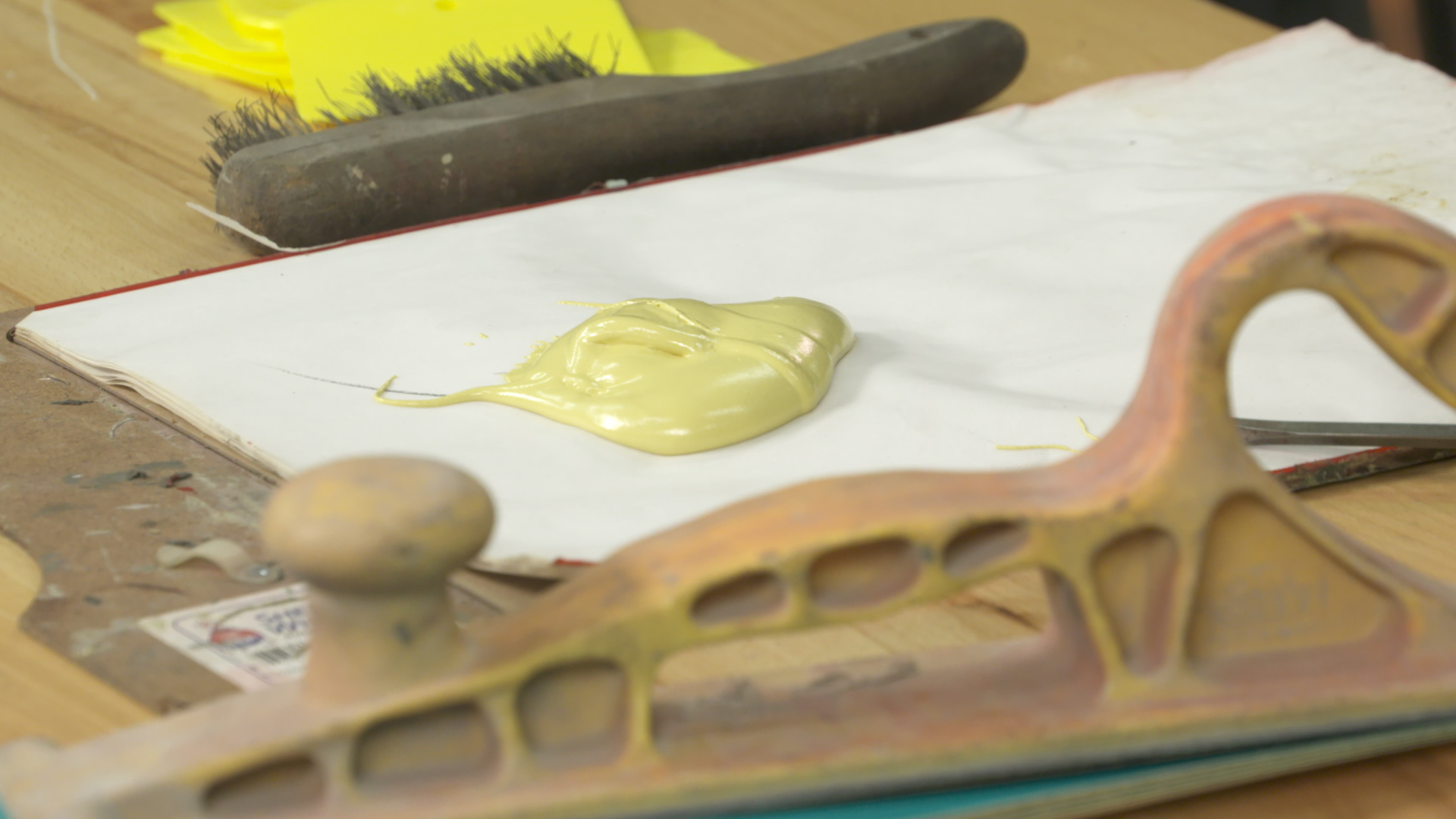
Credit: www.classiccarrestorationclub.com
What Happens If Bondo is Too Thick?
If Bondo is applied too thickly, the curing process can be significantly delayed. The thicker the application of Bondo, the longer it takes for it to dry and cure properly. If left uncured for too long, the Bondo will not adhere correctly to its surface, resulting in improper adhesion or a weaker bond.
Additionally, if applied too thickly there is also a risk of trapped air bubbles which will cause weak spots in your repair job that may eventually lead to cracking or flaking off over time. In order to ensure proper adherence and strength of the repair job, always keep applications thin and even with no large clumps of product on top of one another.
Can I Use Lacquer Thinner to Thin Bondo?
No, you should not use lacquer thinner to thin Bondo. Lacquer thinner is a combination of chemicals that are designed to dissolve and reduce the viscosity of lacquers and other coatings. It will have no effect on Bondo which is an automotive body filler made from polyester resin, talc and calcium carbonate.
The correct solvent for thinning Bondo is acetone, as it helps break down the chemicals in the filler allowing them to mix better with one another. If you find that your Bondo has become too thick over time due to age or exposure, then adding a small amount of acetone can help restore its consistency back to normal. Be sure not to add too much though as this could weaken the bond between layers when applied resulting in poor adhesion and ultimately failure of the repair job.
Can You Mix Water in Bondo?
When it comes to mixing water with Bondo, the answer is no. Bondo consists of two components, a resin and a hardener which must be mixed together in order for the product to become useable. The addition of water would interfere with this chemical reaction and render the product useless.
Water can also cause rusting on metal surfaces as well as weaken many plastics making them unsuitable for use in automotive repair projects or other applications that require strong adhesives. While there are some products available on the market that claim to allow you to mix water into your Bondo mixture, these products should be used with caution as they may not provide adequate strength or protection from corrosion when compared to traditional Bondo products without added water.
How Do You Mix a Small Amount of Body Filler?
Mixing a small amount of body filler is relatively easy, and can save you time when working on smaller repair areas. To mix the filler, start by adding hardener to the container of body filler material in an approximate ratio of 2 parts hardener to 10 parts filler. Use a plastic spreader or putty knife to thoroughly mix the two components together until they are completely blended into each other and there are no streaks visible in the mixture.
Make sure not to use too much hardener as this can cause air pockets which will weaken your repair area. Once fully mixed, apply it directly onto any damaged area using your spreader or putty knife and allow it about 15 minutes for it to set before sanding or painting over it. If you have any excess left over after your repair job, make sure that you store it away properly as any moisture or air exposure will ruin both components making them unusable later on down the line.
How Thick is Too Thick Body Filler?
When it comes to body filler, thickness can be a tricky thing. Generally speaking, the thicker the body filler is, the more difficult it will be to sand down and finish properly. It’s best to apply as little body filler as possible and then build up gradually if needed.
If you have applied too much, you may need to remove some of the excess material with a chisel or other sharp tool before continuing. A good guideline for proper application is that two layers of body filler should never exceed 1/8 inch in total thickness; this way you can avoid having your work become too bulky or unevenly sanded after curing. Additionally, make sure you are using a flexible and easily-sanded type of plastic spreader so that all surfaces are even when applying multiple coats of body filler on any given area.
Finally, always allow plenty of time for each layer to cure fully before beginning another one – otherwise your work could suffer from poor adhesion and cracking due to premature drying!
How Do You Keep Bondo from Drying Out So Fast?
If you’re looking to keep your Bondo from drying out too quickly, it might be worth investing in a few extra supplies and taking the time to establish proper application techniques. Firstly, if you’re going to use Bondo for a project that will take more than one day or so, cover the area with plastic wrap before applying. This way the air won’t be able to reach it until you are ready for the next step of your project.
Additionally, using an aerosol can of spray lubricant on top of the Bondo helps slow down evaporation and keeps it from drying out prematurely. Always make sure that there is enough material present as well; adding more as needed ensures that all surfaces are properly covered and thus prevents early shrinkage due to lack of coverage over large areas. Finally, when finished with your project make sure to store any leftover product in an airtight container away from extreme temperatures or direct sunlight; this will help increase its shelf life significantly!
By following these simple tips and tricks you should have no problem keeping your Bondo intact until completion!
Thinning Bondo
Thinning Body Filler With Acetone
Thinning body filler with acetone can be a useful tool for auto body repair. Acetone works as a thinning agent and is capable of breaking down the consistency of the body filler, allowing it to spread more easily over a surface. It also helps to reduce any air bubbles that may be present in the mixture, which results in a smoother finish when painted.
For best results, use only small amounts at a time until the desired consistency is achieved.
How to Thin Car Body Filler
Thinning car body filler is an important step for achieving a smooth, even finish. It can be done easily with the use of a paint thinner and some elbow grease. To thin car body filler, start by mixing it with paint thinner in a plastic container until you achieve the desired consistency.
After that, apply the mixture to your work surface and spread evenly using sandpaper or a sponge applicator before allowing to dry completely. Once finished, you’ll have an even layer of thinned car body filler ready for final sanding and painting!
Thinning Body Filler With Lacquer Thinner
Thinning body filler with lacquer thinner is a great way to achieve a smoother, even finish. When mixed together, the two create a paste-like solution that can be spread over an area and sanded down after drying. This allows for greater control in filling small indentations or other areas of unevenness on surfaces such as wood, metal or fiberglass.
Lacquer thinner also helps prevent the body filler from becoming too thick and difficult to spread evenly. However, it’s important to note that this method should only be done with proper safety precautions since working with lacquer thinner can cause eye and skin irritation if not handled properly.
Thinning Body Filler With Fiberglass Resin
When it comes to thinning body filler, one of the best ways to do so is by adding fiberglass resin. Fiberglass resin works well for this purpose because it has a low viscosity and can be blended easily with other materials. Additionally, using fiberglass resin helps add strength and durability to the mixture while still maintaining its workability.
It’s important to note that when using fiberglass resin as an additive in body filler, it should be mixed properly and not used in excess as too much can lead to cracking or shrinkage once dry.
How to Soften Hardened Bondo
If you have a piece of Bondo that has dried and hardened, there are several steps you can take to soften it. First, use a heat gun to slowly warm up the area until the Bondo softens enough to be scraped off with a plastic scraper or putty knife. If this does not work, consider using an aerosol release agent spray which is specifically formulated for releasing adhesives from surfaces without damaging them.
Finally, you can try soaking the area in mineral spirits for about 15 minutes before trying either of these methods again.
Bondo Thinner
Bondo Thinner is a solvent used to thin and clean fibreglass body filler during automotive repair. It is typically composed of acetone, methyl ethyl ketone, or other volatile organic compounds (VOCs). Bondo Thinner helps create the ideal viscosity for applying fibreglass body filler so that it can be easily spread over metal surfaces and eventually cured to form a strong bond with the auto’s substrate.
What Can I Use to Harden Bondo
Bondo is a great choice for making repairs to car bodies and other metal surfaces, but it needs to be hardened once it’s applied. To harden Bondo, you can use either an accelerator or a heat gun. An accelerator will cause the Bondo to dry quickly and make it extremely durable; however, if you don’t have access to one of these products then using a heat gun will work just as well.
Be sure not to apply too much heat when using this method as over-heating the Bondo can cause it to crack or lose its strength.
Polyester Thinner
Polyester thinner is a solvent commonly used to thin polyesters and epoxies. It is effective at softening the material so that it can be applied more easily and evenly, which reduces brush marks while providing superior coverage. It also helps in making the coating dry faster without sacrificing its strength or adhesion properties.
Polyester thinner is a must-have for any DIYer or professional painter who needs to work with polyesters or epoxy materials.
Conclusion
In conclusion, thinning Bondo body filler is an important step in ensuring a successful repair job. With the right tools and careful attention to detail, this process can be done safely and successfully. Remember that when thinning Bondo body filler it’s important to use clean utensils and wear protective gear as necessary for safety reasons.
Following these precautions will help you achieve a smooth finish with your repair job every time.