
Yes, it is ok to top off engine oil. The amount of oil one should add depends on the type and size of the engine. Generally speaking, you should never add more than a quart at once and always check the dipstick after adding any oil to ensure that it remains within safe levels.
It is recommended that motor oils be changed every 3,000 miles or as specified in an owner’s manual for optimal performance. Topping off your engine oil between these intervals can help with lubrication and extend its life by reducing wear-and-tear on internal components. However, overfilling can cause problems, so make sure not to go beyond what’s recommended for your vehicle model when topping off engine oil.
It is not recommended to top off engine oil as it can lead to overfilling, which can cause a variety of problems. When the oil level exceeds its capacity, it will foam and create excess pressure on vital parts such as seals and gaskets. This could potentially reduce their lifespan, leading to costly repairs down the line.
To ensure your vehicle’s health and performance in the long run, stick with manufacturer recommendations for engine oil levels at all times.
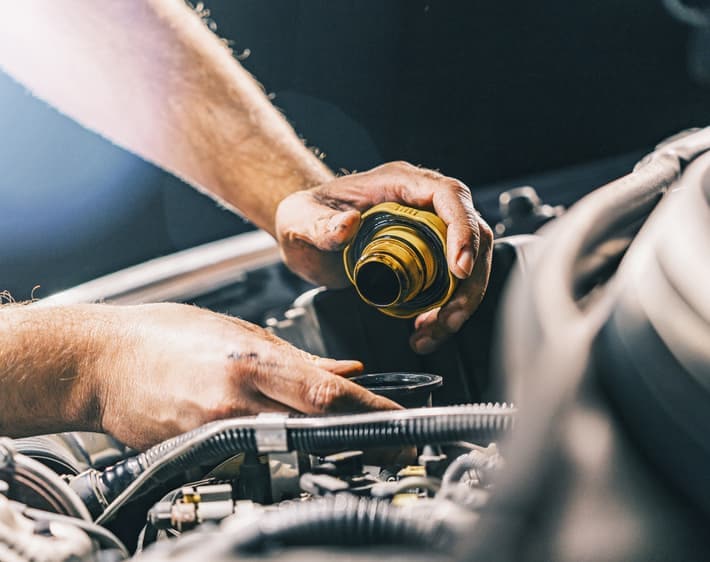
Credit: www.firestonecompleteautocare.com
What Happens If You Put New Oil on Top of Old Oil?
Putting new oil on top of old oil can cause a variety of problems:
• Old and new oil will not mix properly, potentially leading to poor lubrication.
• It may also clog the engine filter or damage other components.
• This could eventually result in major engine damage if left unchecked.
Overall, it is best to completely drain the existing oil before adding fresh oil for optimal performance.
Is It Ok to Top off Oil before an Oil Change?
Yes, topping off oil is generally acceptable before an oil change. It’s important to replenish the fluids that a car needs in order to function properly, and topping off oil helps keep your engine safe and running smoothly. Here are some tips for topping off oil:
• Check the dipstick – Make sure you know where the dipstick is located so you can check if you need more oil or not.
• Use the right type of oil – Make sure you use motor oil that’s specifically recommended by your car manufacturer.
• Only add a small amount at a time – Adding too much can cause problems with your vehicle’s performance.
Topping off your car’s engine with new, clean motor-oil is one way to help maintain its health and longevity so it runs optimally for years to come.
How Much Oil Can You Top Off?
Oil capacity varies from vehicle to vehicle; therefore, it is important to check the owner’s manual for your specific model. Generally speaking, most vehicles allow up to a quart of oil over the recommended quantity.
When topping off:
– Check your dipstick for the correct level first.
– If necessary, add small amounts of oil (no more than 1/4 quart at a time).
– Avoid overfilling as this can cause engine damage and reduce fuel efficiency.
How To Check Dipstick & Engine Oil – EASY
Can You Top Up Engine Oil Without Draining
It is possible to top up engine oil without draining the old oil out, however this is not recommended. The new oil will mix with any existing contaminants in the old oil, reducing its effectiveness and potentially causing further damage to your engine. It’s better to fully drain and replace the old oil if you are topping up.
How to Top off Engine Oil
Topping off your engine oil is an important step in maintaining the life of your vehicle. To top off the oil, you will need to locate and identify the dipstick located on the side of most engines. Pull out the dipstick and wipe it clean with a rag or paper towel, then reinsert it all the way into its socket.
Once again, pull out and check that the level falls within a safe range as indicated by markings on either end of stick; if not, add more motor oil until it does so before replacing back in its place.
Can You Top off Oil With Synthetic
Yes, you can top off oil with synthetic. Synthetic oil is higher quality and offers superior protection for your engine compared to conventional oil. In addition, it won’t harm or break down the existing conventional oil in your vehicle’s engine.
However, it’s important to note that this should only be done if you are topping off a small amount of oil; if you need a large amount of additional lubrication for your engine, then it would be best to change out all of the old conventional oil for full-synthetic instead.
Is Replacing Engine Oil the Same As an Oil Change
Replacing engine oil is not the same as an oil change. An oil change involves draining out old, dirty oil and replacing it with new clean oil, while replacing engine oil only involves adding more of the same type of clean motor oil to top off levels. During an oil change, a technician will also replace any worn-out filters or other components that may have become clogged over time with debris.
How Often Should You Top Up Engine Oil
It is recommended that you top up your engine oil every 3,000 miles (4,800 km) or with each oil change. If you are using synthetic oils, then it may be possible to go longer between changes as they tend to maintain their viscosity for a longer period of time. Be sure to check your owner’s manual for the manufacturer’s recommendation on oil changes and topping up engine oil.
Can You Top Up Engine Oil When Hot
Yes, you can top up engine oil when hot. However, it is important to keep in mind that hot oil may expand more than cold oil and could cause overflow if too much is added. It is advisable to wait until the engine has cooled down before topping up with additional engine oil.
Be sure to check your vehicle’s manual for specific instructions on how to add motor oil when the engine is warm or hot.
Topping Up Engine Oil With Different Brand
Adding engine oil of a different brand can be done in some cases, however it is not recommended. Different brands of engine oil have different viscosities and additives that could react negatively with the existing oil. It’s best to stick with the manufacturer’s recommendations for what type and brand of oil should be used in your vehicle.
Can You Add Oil Without Changing Filter
Changing the oil filter is generally recommended when changing the oil in your car, but it’s not absolutely necessary. You can add new oil without changing the filter as long as you are using a quality motor oil and following the manufacturer’s recommendation for how often to change the oil. However, if you do this too often, dirt and contaminants may build up in your engine’s system which could lead to premature wear or even engine failure.
It’s best practice to always change both your motor oil and filter at least every 3 months or 3,000 miles (whichever comes first) for optimal performance.
Conclusion
This blog post has given us a better understanding of the practice of topping off engine oil. We now know that it is generally safe to add small amounts of oil when the level runs low, however its important to make sure that you don’t overfill or go beyond the maximum line indicated in your car’s manual. It is also important to keep an eye on your vehicle and check regularly for any signs of leaks or problems with your engine before topping off oil.
Topping off can be done safely as long as you take all these precautions into consideration.