
To bleed a hydraulic control valve, first make sure that the system is depressurized. Then locate and remove the plug or screws located on top of the valve body. Connect a clear plastic hose to this opening and place it in an empty container.
Next, turn on the pump to fill up the system with oil and wait for any air bubbles that may appear in the hose to dissipate. Once all bubbles have disappeared, reattach the plug/screws onto their respective ports, making sure they are tightly secured. Finally switch on any power sources connected to activate the valve and check for proper operation before use.
- Step 1: Unscrew the hydraulic control valve’s relief plug
- This will allow any air trapped in the line to escape as you bleed it
- Step 2: Place a container below the valve, and then open the manual bleeder screw (or screws) located on the side of your valve
- Step 3: Slowly turn clockwise until fluid starts to flow out of the bleeder hole(s)
- You may need to slightly loosen or tighten this screw while still turning it clockwise
- Step 4: As soon as fluid starts flowing from the bleeder hole, close it by turning counterclockwise just enough so that no more fluid can escape from this opening
- Then, repeat steps 2 and 3 until all air is bled from your system and clear liquid flows freely through your valve
- Step 5 : Once you have successfully bled all air from your system, close both valves tightly and replace any plugs removed during bleeding process before reinstalling them securely into place
Bleeding Air from Closed Loop Hydraulic System
Bleeding air from a closed loop hydraulic system is an important part of maintenance and upkeep. Air trapped in the lines of a closed loop system can cause pressure imbalances, leading to decreased efficiency and potential breakdowns. It is best practice to bleed out any air that has built up in the system on a regular basis, which will help ensure peak operation performance over time.
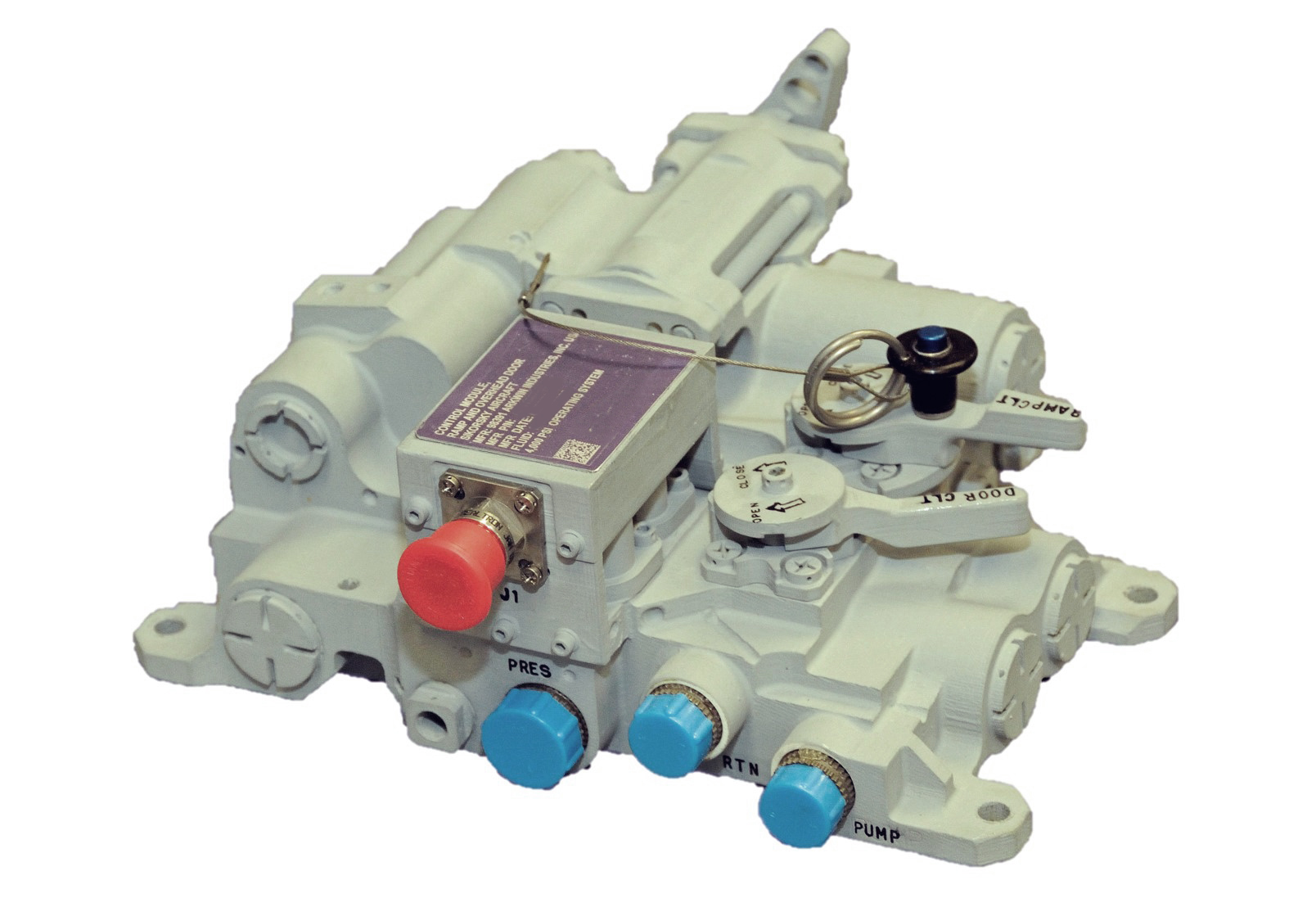
Credit: www.arkwin.com
How Do You Get Air Out of a Hydraulic System?
When it comes to getting air out of a hydraulic system, the most important step is to ensure that all the components in the system are properly sealed. This will prevent any further air from entering into the system and help keep your machinery running smoothly. The next step involves purging or relocating existing air pockets within the system by using an evacuation pump.
Once you have started this process, use a pressure gauge to monitor for changes in pressure and adjust accordingly as needed until all air has been evacuated from the system. Lastly, fill up your hydraulic tank with oil before restarting your machinery. By taking these steps, you can be sure that all of the unwanted air is removed from your hydraulic systems which will lead to improved efficiency and longer lifespan of equipment parts!
Can You Bleed the Air Out of a Hydraulic System?
Yes, you can bleed the air out of a hydraulic system. Bleeding the air from a hydraulic system is an important step to ensure that it runs smoothly and efficiently. Air bubbles in a hydraulic system can cause disruptions in fluid flow which will reduce performance and create excess heat, potentially leading to component failure or breakdowns.
To prevent these issues, it is essential that any trapped air be evacuated as part of regular maintenance procedures. This process involves using pressure-bleeders to force all the trapped air out through the bleed screws located at various points around the system before filling with new fluid. It’s also important to check for any leaks or blockages during this process so they can be identified and fixed before running your machine again.
With proper attention paid to bleeding your hydraulic systems regularly, you’ll reap both short term benefits such as improved efficiency and long-term savings by avoiding costly repairs due to component failures caused by neglecting this task!
How Do You Bleed Air Over a Hydraulic Cylinder?
Bleeding air from a hydraulic cylinder is an important process in maintaining the efficiency of the machine. Air can enter the hydraulic system through leaks and filter changes, which can cause damage to the internal components and reduce performance. Bleeding air out of a hydraulic cylinder is necessary to ensure that only oil passes through it, as anything else will reduce its efficiency.
The best way to bleed air over a cylinder is by using gravity or pressure-driven bleeding techniques. For gravity-driven methods, you must first open all valves connected to the system and then insert a tube into any available port on top of the cylinder so that it leads down towards ground level. You should then pump fluid through this tube until no more bubbles appear at ground level – this indicates that all air has been bled away.
Pressure-driven methods involve connecting an external pressure source such as a compressor or pump directly onto one side of your component and allowing pressurized oil flow over both sides until all bubbles are gone from either end – again indicating that all air has been flushed from the system.
Do You Need to Bleed Air Out of Hydraulic Lines?
Yes, it is necessary to bleed air out of hydraulic lines. This process helps keep the system running efficiently and safely by removing any air that has entered the line while changing components or when topping off the reservoir. Air can be very damaging to a hydraulic system as it causes cavitation which can cause damage to seals, valves and other components within the system due to its compressibility.
The most common way to remove air from a hydraulic system is through manual bleeding, where an operator uses a wrench or screwdriver on each component in order for all of the air bubbles in the line to come out. It’s important not only for safety reasons but also because it prevents severe damage and costly repairs down the road if left unchecked.
How to Bleed Air from Hydraulic Circuit
Conclusion
Bleeding a hydraulic control valve is an important process that should not be overlooked when maintaining or repairing your machinery. It can be done quickly and easily with the right tools and knowledge, so you don’t have to worry about any costly repairs. Following these steps ensures that your system functions safely and correctly for years to come.
With regular maintenance, you can ensure your machinery runs optimally for many years without having to invest in expensive repairs or replacements due to premature failure of components.